Ireland is globally recognised for its top-tier education and innovative research environment, with strong appeal to international students through English instruction, a thriving economy, and outstanding post-study opportunities.
Discover WhyFor high-quality scientific research
Education systems worldwide
One of the lowest rates globally
All instruction in English
Home to Google, Apple, Microsoft EU HQs
Vibrant culture, festivals & history
A unique blend of world-class education, vibrant culture, and career-ready opportunities.
Ireland can be an excellent choice if you are considering pursuing higher education abroad. It is a country that offers a unique blend of rich history, vibrant culture, and outstanding academic institutions. With its welcoming people, breathtaking landscapes, and thriving economy, Ireland is becoming an increasingly popular destination for international students.
One of the primary reasons students choose Ireland is the quality of education it offers. Irish universities are globally recognised for their academic excellence and innovative teaching methods. Students have access to world-class facilities, including state-of-the-art libraries, cutting-edge research centres, and modern laboratories. Ireland's higher education system is highly respected for its focus on practical learning, which prepares students for real-world challenges and career success.
Another significant advantage of studying in Ireland is the country's English-speaking environment. English is the primary language of instruction in all Irish universities, making it an ideal destination for international students looking to improve their language skills. The country's cosmopolitan cities — Dublin, Cork, Limerick and Galway — offer a diverse and multicultural environment that fosters learning and growth.
Beyond academia, Ireland is a country with a rich cultural heritage and a lively social scene. From traditional music and dance to contemporary art and literature, there is always something to explore and experience. The country's friendly people and welcoming culture make it easy for students to integrate and make new friends.
Ireland at a Glance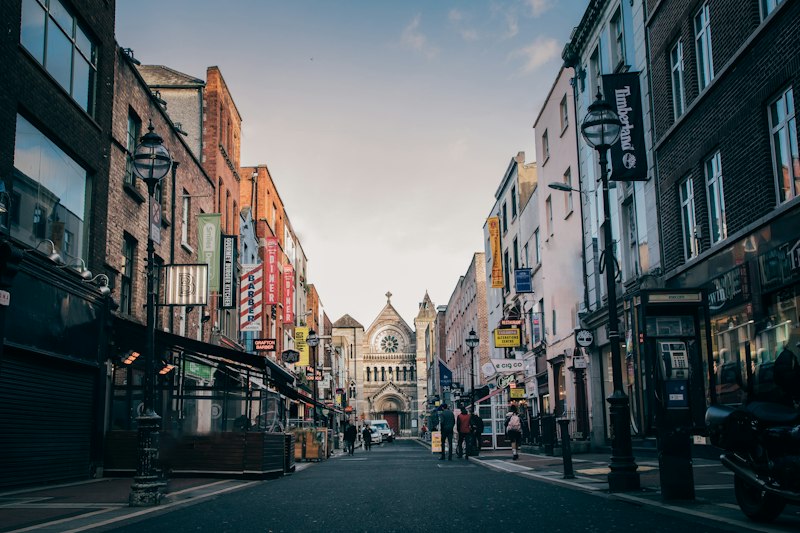

Key facts and figures that make Ireland one of the world's most attractive study destinations in 2026.
Ranked 3rd in the world by the UN Human Development Index (HDI) as of late 2025.
Ranked 2nd globally in the 2023–2025 IMD World Competitiveness Ranking.
Ranked 3rd freest economy in the world in the 2025 Index of Economic Freedom.
Ranked 3rd globally for both nominal GDP per capita and PPP-adjusted GDP per capita (2025).
Ranked 2nd most peaceful country worldwide in 2024 and among the top 10 most democratic nations.
Ranked 1st globally for positive contribution to the planet & humanity.
From globally recognised degrees to a generous stay-back option — Ireland delivers on every front.

Degrees from Irish universities and institutes are internationally respected and recognised for their high academic standards and practical relevance. Irish higher education institutions consistently rank among the top in the world, offering programmes accredited by global professional bodies.
Graduates from Ireland benefit from strong employability prospects, both within the EU and globally, thanks to the country's emphasis on research, innovation, and industry partnerships. Studying in Ireland ensures that students earn qualifications that are valued by employers and institutions worldwide, opening doors to diverse career paths and further studies.

Ireland offers high-quality education at relatively affordable costs compared to other English-speaking countries. Universities and institutes of technology provide a range of undergraduate and postgraduate programmes designed to meet diverse academic interests and career goals.
Moreover, Ireland supports students with scholarships, grants, and flexible tuition options, making higher education more accessible. Coupled with opportunities for part-time work and reasonable living costs, Ireland provides an attractive option for students seeking both excellence and value in their education.

As an English-speaking nation within the European Union, Ireland serves as an ideal hub for students seeking international exposure. Studying in Ireland allows students to gain proficiency in English while experiencing European culture, business, and networking opportunities.
Its location also provides easy access to other major EU destinations, making it convenient for travel, internships, and cross-cultural experiences. This unique combination of English language immersion and EU connectivity gives students a competitive advantage in both academic and professional pursuits.

Ireland has a streamlined and transparent student visa process, making it easier for international students to pursue their education. The country welcomes learners from across the globe and provides clear guidelines on documentation, financial requirements, and post-study work opportunities.
Additionally, Ireland offers flexible visa policies for students, including options for part-time work while studying and pathways to extend visas for graduate employment, ensuring students can focus on learning without undue stress.

International students enrolled in full-time courses of at least one year, leading to a qualification recognised by the Irish Department of Further and Higher Education, are permitted to work in Ireland without a separate work permit.
Non-EU/EEA/Swiss/UK students holding Stamp 2 permission may work up to 20 hours per week during academic term time and up to 40 hours per week during designated holiday periods (1 June – 30 September and 15 December – 15 January).

Upon graduating from an Irish university, international students can benefit from Ireland's generous post-study stay-back option, which allows them to remain in the country to seek employment and gain valuable practical experience.
This stay-back option is particularly attractive due to Ireland's strong and growing economy, with thriving industries in technology, finance, healthcare, pharmaceuticals, and business services. It enables graduates to apply the knowledge and skills gained during their studies in real-world environments and build international work experience.
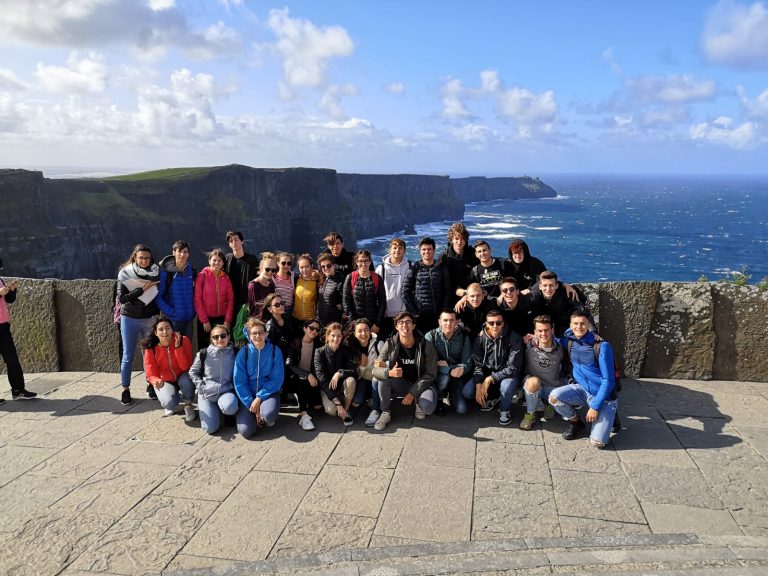
Ireland is known for its friendly and welcoming atmosphere, making it a safe and inviting destination for international students. The country consistently ranks highly in terms of personal safety, with low crime rates and supportive communities.
Beyond safety, Ireland offers a rich cultural experience — from traditional music sessions and historic castles to vibrant city festivals. Student life is dynamic, with universities offering a range of clubs, societies, and sports, allowing students to socialise, develop new skills, and fully immerse themselves in Irish culture.
Ireland has eight universities ranked in the QS World University Rankings 2027, reflecting the country's strong educational system and international reputation.
The Times Higher Education (THE) World University Rankings 2026 also highlight Ireland's universities among the world's best, reflecting their excellence in teaching, research, and global outlook.
| S.N | University | QS Ranking 2027 | Times Higher Education (THE) Ranking 2026 |
|---|---|---|---|
| 1 | Trinity College Dublin | 75 | 173 |
| 2 | University College Dublin | 100 | 201–250 |
| 3 | University College Cork | 220 | 351–400 |
| 4 | University Of Galway | 275 | 351–400 |
| 5 | Dublin City University | 408 | 301–350 |
| 6 | University Of Limerick | 388 | 501–600 |
| 7 | Maynooth University | 721–730 | 501–600 |
| 8 | Technological University Of Dublin | 791–800 | 1201–1500 |
Indicative annual tuition fees at top Irish universities and institutes for 2026 intake.
| S.N | University | Bachelors | Masters |
|---|---|---|---|
| 1 | Technological University Of Dublin | €12,500 | €13,500 |
| 2 | Maynooth University | €16,000 | €16,000 |
| 3 | CCT College Dublin | €8,600 | €14,000 |
| 4 | Independent College | €12,000 | €14,000 |
| 5 | Technological University Of the Shannon | €11,000 | €18,500 |
| 6 | Atlantic Technological University | €10,200 | €12,000 |
| 7 | South East Technological University | €13,500 | €14,000 |
| 8 | Munster Technological University | €13,500 | €15,000 |
| 9 | Dundalk University Of Technology | €10,950 | €12,000 |
| 10 | University Of Limerick | €11,200 | €18,000 |
Popular postgraduate programmes across IT, Engineering, and Business management.
Maynooth University
Software development, algorithms, systems, research-focused
TU Dublin
Big data, analytics, Python, business intelligence
TU Dublin / CCT College Dublin
Network security, cyber risk, digital forensics
CCT College Dublin
Cloud systems, DevOps, applied IT skills
Munster Technological University
Manufacturing, design, automation
TUS
Construction, structural & environmental engineering
TU Dublin / CCT College Dublin
Embedded systems, AI, electronics
Dundalk Institute of Technology
Engineering + leadership + project management
Maynooth University
Global business, strategy, international markets
TU Dublin / TUS
Leadership, operations, strategic management
TUS
Financial reporting, audit, taxation (ACCA-aligned)
TU Dublin / Maynooth / TUS
Finance, analytics, decision-making
Have questions about studying in Ireland? Our team is ready to help you take the next step.
+977 – 9803100720
admissions@studyinireland.info
Kumaripati – Mahalaximisthan Rd, Lalitpur 44700, Nepal
Click below to send us your enquiry directly — one of our advisors will be in touch shortly.
Send EnquiryOR
Scan the QR code below

Government of Nepal
Ministry of Education,
Science and
Technology

EPCAN
Educational Consultancy
Association of Nepal